Should I Rent Out My House or Sell It?
Gold Palm Homes Team · Aug 26, 2026
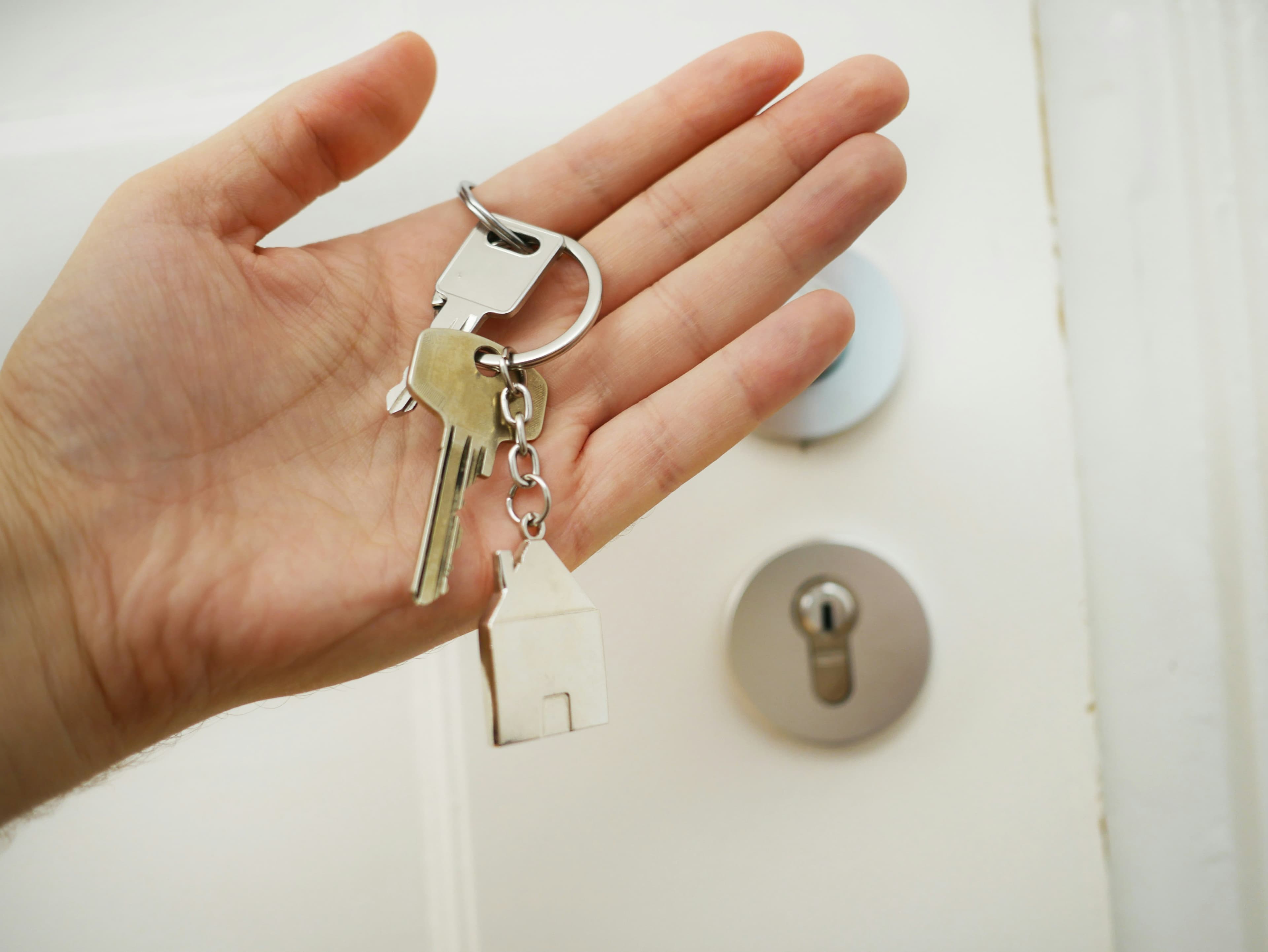
If you're trying to decide whether to rent out your house or sell it, there isn't one right answer. There's the right answer for your numbers and your plans. Some owners are better off selling and moving on. Others come out well ahead by renting for a few years first.
This guide walks you through how to figure out which one you are, without a finance degree.
Start with three questions
- Does the rent cover the costs? If a tenant's rent would pay all or most of what the house costs you each month, renting is worth a serious look. If it falls well short, you'd be paying to own a rental.
- Do you need the money from a sale? If your equity is earmarked for your next home, paying off debt, or any other major upcoming life changes, selling is usually the answer.
- How long do you want to own the home? If you might move back, want to sell later, or like the idea of owning a rental for the long haul, renting keeps those doors open.
Most owners can make the call from these three answers. The rest of this article helps you answer them with real numbers.
Run the monthly math
Start with what the home would realistically rent for. Then add up what it costs to own it as a rental:
- Mortgage payment (principal and interest)
- Property taxes, which will likely go up once the homestead exemption comes off (more on that below)
- Landlord insurance, which replaces your homeowners policy
- Flood insurance, if required
- HOA or condo dues, if you have them
- Property management, if you won't be managing it yourself
- A monthly set-aside for repairs, because air conditioners and water heaters don't give notice
Here's how that plays out on the same house for two different owners. Both bought a $425,000 home with 20 percent down, so each has a $340,000 loan. One bought or refinanced during the pandemic at 3 percent. The other bought at 6.75 percent, closer to where rates have been since. The mortgage payments are real math. The other numbers are made up but realistic, and yours will be different.
| Monthly | Bought at 3% | Bought at 6.75% |
|---|---|---|
| Rent | $2,800 | $2,800 |
| Mortgage (principal and interest) | $1,433 | $2,205 |
| Property taxes | $600 | $600 |
| Landlord insurance | $250 | $250 |
| HOA dues | $50 | $50 |
| Management at 10 percent | $280 | $280 |
| Repair set-aside | $150 | $150 |
| Total monthly cost | $2,763 | $3,535 |
| Left over each month | +$37 | -$735 |
| Paid toward principal (first month) | $583 | $293 |
Flood insurance isn't included here. If your home needs it, add it to both columns.
That last row is the part people forget. Every mortgage payment is split in two. Part of it is interest, which is simply the cost of borrowing. The rest goes to principal, and that part is yours. Think of principal as a piggy bank built into your house: every month a little more goes in, and you get it back as equity when you sell or refinance. When a tenant's rent covers the mortgage, the tenant is the one filling that piggy bank for you.
For the owner at 3 percent, renting comes out about even each month, and the tenant is putting roughly $583 a month into that owner's piggy bank. That's hard to walk away from.
For the owner at 6.75 percent, the same house comes up about $735 short every month. About $293 of each payment still goes into the piggy bank, but the owner is covering the gap out of pocket. Some owners in that spot rent anyway because they expect the home to be worth more later. Others decide selling is the better move. Either way, it's worth running your own numbers before you decide.
The tax side, in plain English
Taxes can tip the decision one way or the other, so it helps to know the basics before you talk to your tax professional.
- The capital gains exclusion. If you owned and lived in the home for at least two of the five years before you sell, you can generally keep up to $250,000 of profit tax-free, or up to $500,000 for married couples filing jointly. After you move out, that usually gives you about three years to sell and still qualify. Renting the home during that window doesn't reduce the exclusion.
- Depreciation. While the home is a rental, you can deduct a portion of its value each year as depreciation, which lowers your taxes while you rent. When you sell, that depreciation gets taxed, even if the rest of your profit is tax-free. The IRS counts it whether or not you actually took the deduction, so it's worth claiming.
- Rental income. Rent is taxable income, but the costs of owning a rental, like mortgage interest, property taxes, insurance, management, and repairs, are generally deductible.
Every situation has its own details, so run your plan by a tax professional before you decide.
Florida costs that surprise people
A few things change when a Florida home becomes a rental:
- Your homestead exemption ends. Under Florida law, renting out a home you've claimed as your homestead counts as abandoning the homestead (section 196.061, Florida Statutes), and owners are required to notify the property appraiser promptly when a change like that affects their exemption (section 196.011(10)(a)). You lose the exemption itself and the Save Our Homes cap that has been keeping your assessed value low, so if you've owned the home for a while, your tax bill can go up noticeably. Our guide to renting out a Florida homestead explains what to expect.
- You need different insurance. A homeowners policy is written for a home you live in. Once you rent it out, you need a landlord policy, plus flood insurance if your home requires it. Our guide to landlord insurance in Florida covers what changes.
- Your HOA may have rules about renting. Many Tampa Bay communities have minimum lease lengths, tenant approval steps, or limits on how many homes can be rented. Read your HOA documents before you decide, not after.
When selling usually makes more sense
- You need to cash out the equity for your next home or something else coming up soon.
- The rent won't come close to covering the costs.
- You have a large gain and your capital gains window is about to close.
- You don't want to be a landlord at all. Even with a property manager handling the day to day, you're still the owner, and you'll still make decisions about repairs and tenants. For some people, that's stress they prefer not to have on their plate.
When renting usually makes more sense
- The rent covers all or most of the costs.
- You don't need the cash right now.
- You have a low mortgage rate you'd hate to give up (and you may never have the opportunity to get again).
- You might move back, or you'd like to sell later instead of now.
- You'd rather not sell at a discount just to be done with it.
Renting now doesn't mean you can't sell later
Renting isn't a permanent decision. Plenty of owners rent for a few years and sell later. When that time comes, we recommend waiting until the lease ends and the tenant moves out before you list. Homes with tenants still living in them take longer to sell, and the process is hard on the tenant and the seller alike. We cover how to plan that in Rent Now, Sell Later.
Get real numbers before you decide
Everything above depends on one number you may not have yet: what your home would actually rent for. Our free rental analysis gives you that number, based on your home and the rentals around it, along with anything the home needs before a tenant moves in. If you'd like to see how rent is priced first, read How Much Rent Can I Get for My House in Tampa Bay?
And because Tampa Bay Rentals is part of Gold Palm Homes, a licensed Florida real estate brokerage, we can help either way. If selling turns out to be the better move, we'll tell you, and our sales team can take it from there. You can learn more at goldpalmhomes.com.
FAQs
Is it better to rent or sell my house?
It depends on whether the rent covers the home's costs, whether you need the cash from a sale, and how long you want to own the home. Renting tends to work when the rent covers all or most of the costs and you don't need the equity right away. Selling tends to work when you need to cash out the equity, the rent falls short, or you don't want to own a rental.
Should I rent out my house if I have a low mortgage rate?
Often, yes. A low rate makes the monthly math much easier. On a $425,000 home with 20 percent down, principal and interest run about $1,433 a month at 3 percent, compared with about $2,205 at 6.75 percent. That difference can be what lets the rent cover the costs, and a rate that low may not come around again once you sell.
Will I lose my capital gains exclusion if I rent out my house?
Not right away. If you owned and lived in the home for at least two of the five years before the sale, you can generally still exclude up to $250,000 of gain, or $500,000 for married couples filing jointly. That usually gives you about three years after moving out to sell. Depreciation from the rental years is taxed when you sell, so check your situation with a tax professional.
Do I have to tell the property appraiser if I rent out my homestead in Florida?
Yes. Under section 196.061 of the Florida Statutes, renting out a home you've claimed as your homestead counts as abandoning the homestead, and section 196.011(10)(a) requires owners to notify the property appraiser promptly when a change like that affects their exemption. If the county later finds an exemption that should have been removed, section 196.161 allows it to collect the back taxes plus a 50 percent penalty and 15 percent interest per year. There are exceptions, such as for certain military service, so check with your county property appraiser.
Can I rent out my house if I still have a mortgage?
Usually, yes. Many home loans require you to live in the home for the first year, so check your loan documents or call your lender if you're not sure. You'll also need to replace your homeowners insurance with a landlord policy, and add flood insurance if required, before a tenant moves in.
How much does it cost to have a property manager rent out my house?
Fees vary by company. At Tampa Bay Rentals, it's one month's rent to place a tenant, 10 percent of the monthly rent to manage the home, and $250 when a lease renews, with no startup costs. Every repair over $250 is approved by you before the work begins.
Can I rent out my house now and sell it later?
Yes. Renting doesn't rule out selling later. When you're ready to sell, we recommend waiting until the lease ends and the tenant has moved out before you list, because homes with tenants in place take longer to sell and the process is hard on everyone involved.