What an Empty House Really Costs You Every Month
Gold Palm Homes Team · Sep 9, 2026
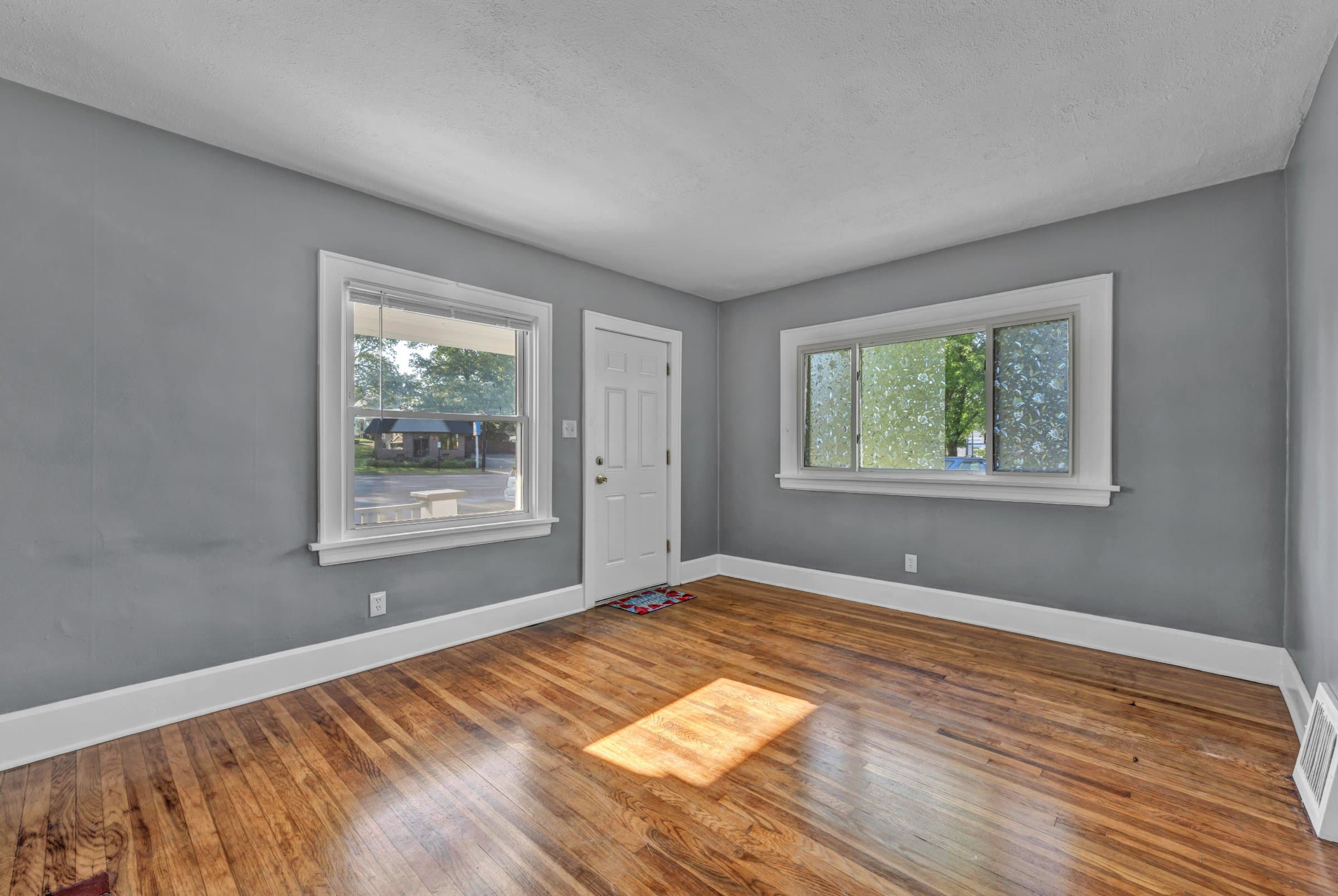
An empty house still costs you money every month. The mortgage still comes out, the tax bill still arrives, and the lawn still grows. If your empty house didn't sell, you moved for work, or you're still deciding what to do, it's important to have a realistic understanding of what waiting is costing you.
The bills keep coming
Even with nobody living there, you're still paying for:
- The mortgage, principal and interest
- Property taxes
- Homeowners insurance, and flood insurance if it's required for your area
- HOA or condo dues, if you have them
- Utilities, because the power, water, and air conditioning need to stay on
- Lawn care and pest control
- Pool service, if there's a pool. (Trust us, don't try to trim costs on pool maintenance. A let-go pool costs way more to bring back to life than regular, ongoing service checks. And when you do eventually decide to rent or sell, a murky, green pool is a huge turnoff to prospective tenants and buyers.)
Here's a rough look at what that can look like on a $425,000 home bought with 20 percent down at a 6.25 percent mortgage rate.
| Monthly bill | Cost |
|---|---|
| Mortgage (principal and interest) | $2,093 |
| Property taxes | $600 |
| Homeowners insurance | $250 |
| Electric, with the AC running | $200 |
| Water and other utilities | $60 |
| Lawn care | $120 |
| Pest control | $40 |
| Total each month | $3,363 |
That's about $20,000 over six months and $40,000 over a year. Add more if there's a pool or HOA fees. About $323 of that mortgage payment still goes toward principal, so it's building equity, but the rest is money you won't see again.
For comparison, if the same home rented for $2,800 a month, the rent would cover most of those bills, and someone would be living there to look after the place.
The costs that don't show up on a bill
The monthly bills are the easy part to plan for. The bigger risks are the ones you can't see from a statement.
- Small problems grow when nobody's there. A slow leak under a sink can run for weeks before anyone notices, and by then it can mean water damage, rotted cabinets, and mold. An air conditioner that quits in an empty Florida house can cause humidity to damage floors, walls, and furniture. In an occupied home, someone would catch both in time to prevent expensive issues.
- Your insurance may not fully cover a vacant house. Many homeowners policies limit coverage once a home has been vacant for 30 or 60 consecutive days. The losses most often limited are the ones empty houses are prone to: vandalism, broken windows, theft, and some kinds of water damage. Call your insurance agent before the house sits empty, and ask whether you need a vacant home policy. Our guide to landlord insurance in Florida covers what changes once a home becomes a rental.
- HOA violations add up. If your home is in an HOA community, an overgrown lawn, a stack of flyers at the door, or a trash can left at the curb can quickly turn into violation letters and fines.
If the house will sit empty for a while
Sometimes a short vacancy can't be avoided. In that case, here's what we recommend:
- Call your insurance agent. Tell them the home is empty and ask what your policy covers, and for how long.
- Keep the air conditioning running. The EPA recommends keeping indoor humidity below 60 percent to prevent mold. Many owners leave the thermostat set in the high 70s and check humidity with an inexpensive meter.
- Have someone check the house regularly. Once a week is a good rule of thumb, but if that's not possible, definitely once every other week. They should look for leaks, check that the AC is working, and make sure doors and windows are locked.
- Consider turning off the water. If nothing needs it, like an irrigation system or a pool, turning off the main water valve can keep a small leak from becoming a flood.
- Make it look lived in. Keep the lawn mowed, stop the mail, put a few lights on timers, and let a neighbor you trust know the house is empty.
If you live out of the area, our guide to managing a rental from out of state covers how to keep an eye on things from a distance.
How to stop paying for an empty house
A house holds its value when it's lived in and taken care of, and it loses value when it's left empty and maintenance issues go unnoticed or get deferred. If you have an empty house on your hands and you're not sure what to do, you've got two good options. You can:
- Rent it out. Rent can cover all or most of the monthly bills, and a tenant is there to notice problems early. You can always sell later if you decide that the landlord life isn't for you. See Rent Now, Sell Later.
- Sell it. If you don't want to carry the house any longer, or can't afford to, selling ends the monthly costs for good. If you already tried to sell and your listing expired, start with Your House Didn't Sell. What Are Your Options Now?
If you're torn between the two, decide with numbers, not emotions. Should I Rent Out My House or Sell It? walks through the math side by side.
Find out what your empty house could be earning
The first number to know is what your home would rent for. Our free rental analysis gives you that number, based on your home and the rentals around it, along with anything the home needs before a tenant moves in. If you'd like to see how rent is priced first, read How Much Rent Can I Get for My House in Tampa Bay?
And if selling is the better fit, Tampa Bay Rentals is part of Gold Palm Homes, a licensed Florida real estate brokerage. Our sales team at Gold Palm Homes can help with that too.
FAQs
How much does it cost to keep a house empty?
Every bill still needs to be paid, whether or not you have any rental income coming in: the mortgage, property taxes, insurance, utilities, lawn care, and pest control. On a $425,000 home bought with 20 percent down at a 6.25 percent mortgage rate, that can add up to about $3,360 a month, or about $40,000 a year. Your numbers will depend on your loan, taxes, and the home itself.
Does homeowners insurance cover a vacant house?
Not always fully. Many homeowners policies limit coverage once a home has been vacant for 30 or 60 consecutive days, most often for vandalism, broken windows, theft, and some water damage. Call your insurance agent before the house sits empty, and ask whether you need a vacant home policy.
Should I leave the air conditioning on in an empty house in Florida?
Yes. Turning the AC off lets humidity build up, which can lead to mold and damage floors, walls, and cabinets. The EPA recommends keeping indoor humidity below 60 percent. Many owners leave the thermostat set in the high 70s and check the humidity with an inexpensive meter.
How often should someone check on a vacant house?
Once a week is a good rule of thumb, but if that's not possible, definitely once every other week. Whoever checks should look for leaks, make sure the AC is running, and confirm that doors and windows are locked. Some insurance policies expect regular checks on an empty home, so ask your agent what yours requires.
Is it better to rent my house or leave it empty while I decide?
For most owners, renting costs less. Rent can cover all or most of the monthly bills, and a tenant living in the home will notice a leak or a broken AC long before it becomes an expensive repair. You can always sell later, after you've had time to be sure selling is the right move for you.