The Accidental Landlord's Guide to Renting Out Your Tampa Bay Home
Gold Palm Homes Team · Sep 23, 2026
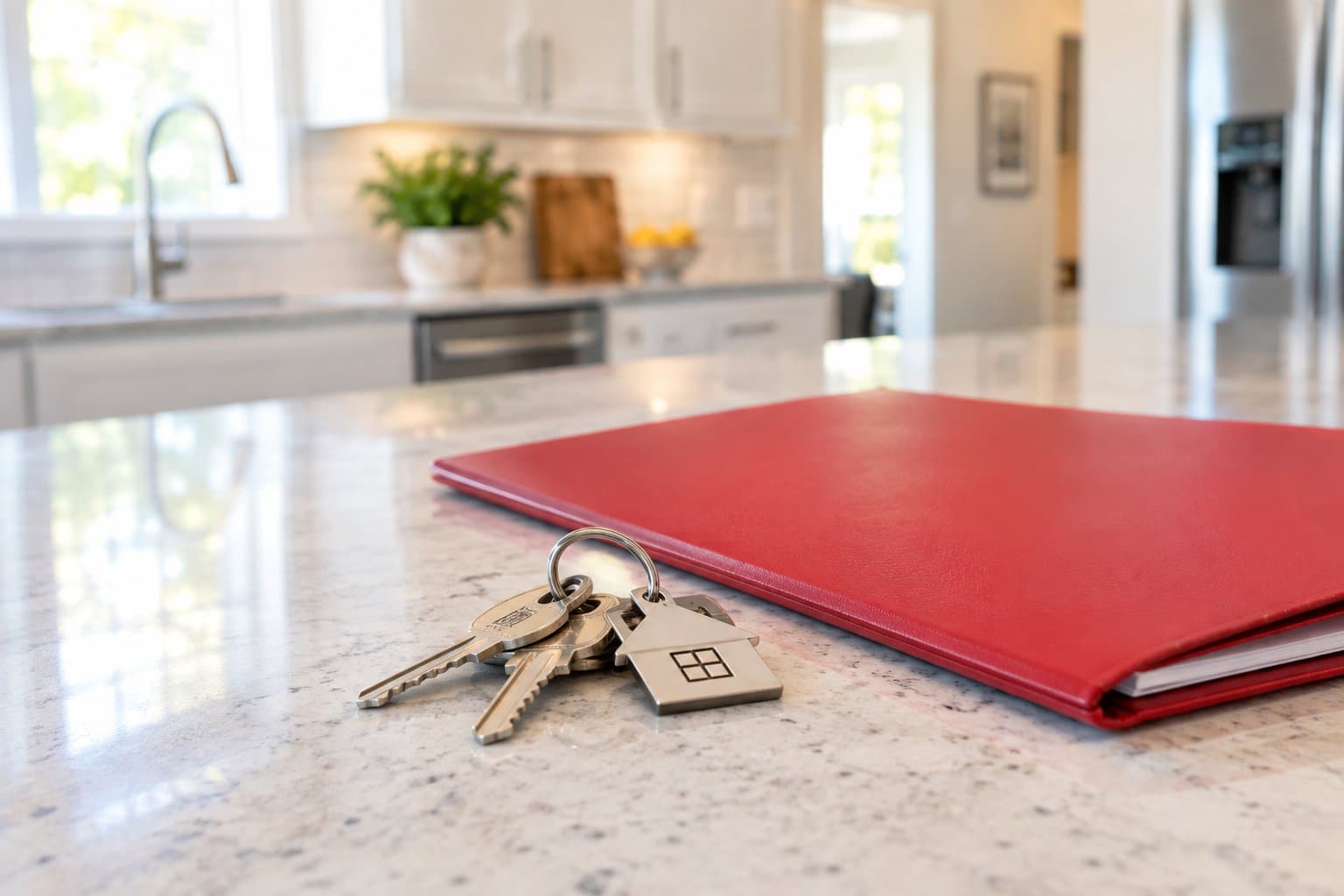
Most of the landlords we work with never set out to be landlords. A job moved. A parent's house passed down. A home didn't sell, and renting it beat dropping the price again. However you got here, the first month is the one that sets up everything after it.
The good news is that this is a short list, and it's the same list every time. Here it is in the order we'd work through it, and then what the year looks like once someone is living there.
Before a tenant moves in
1. Run the numbers
Add up the mortgage, taxes, insurance, and any HOA fee, then compare that to what your home would rent for. Should I Rent Out My House or Sell It? walks through that math, How Much Rent Can I Get for My House in Tampa Bay? covers what sets the rent, and if you might sell in a couple of years, Rent Now, Sell Later covers how to keep that door open.
One number that surprises first-time landlords: the house costs you every month it sits empty, whether you're deciding, repairing, or waiting for the right applicant. What an empty house really costs you every month puts a figure on it.
2. Call your insurance agent
A homeowners policy is written for a home you live in. Once a tenant moves in, you need a landlord policy, sometimes called a dwelling policy. It covers the building, loss of rent, and liability, and it does not cover your tenant's belongings, which is why many owners require renters insurance in the lease. Make the call before the tenant moves in, not after.
3. Sort out the homestead exemption
If the home was your primary residence, it probably has Florida's homestead exemption, and the Save Our Homes cap that limits how fast the assessed value can rise. Renting the home out means it is no longer your primary residence, and you're expected to notify your county property appraiser.
Expect the tax bill to go up once the exemption comes off, sometimes by a lot on a home you've owned for years. Get that number before you set the rent, so the rent covers the house you'll actually own next year.
4. Read your HOA or condo documents
Many Tampa Bay communities limit renting. Common rules include a minimum lease term, an application and approval step for your tenant, a cap on the number of rented homes, and a waiting period after you buy. Some have a fee for each lease.
Find the rules before you list, because they shape your lease. If your community requires association approval, build that time into your move-in date.
5. Get the home ready for a tenant
A rental doesn't need to be perfect, but it does need to be clean, safe, and working. Our rental standards list what every home needs before it's listed: working smoke detectors, functioning appliances, no active leaks, safe electrical, and clean paint and floors.
Two habits that save money later:
- Fix the small things first. A running toilet or a slow drain becomes a maintenance call in month two.
- Photograph and video everything. We video every move-in, so there's a record of the home's condition that nobody has to argue about at move-out.
6. Price it right
Rent is set by what similar homes nearby are renting for right now, not by your mortgage payment. Pricing a little high usually costs more than it earns: an extra $100 a month adds $1,200 over a year, and one extra month sitting empty costs a full month's rent plus the bills that don't pause.
7. Screen every applicant the same way
Write down your standards before you take the first application: income relative to rent, credit, rental history, and background. Then apply them to everyone, in the same order, every time. That consistency is both the fair way to do it and what fair housing law requires.
A few things worth knowing:
- Familial status, disability, race, color, religion, sex, and national origin are protected classes under federal fair housing law. Keep your questions about the tenancy, not the person.
- Service animals and support animals are not pets. Pet rules and pet fees do not apply to them.
- Talk to the previous landlord, not only the current one. A current landlord who wants a tenant out has a reason to be generous.
8. Put it in writing, and mind the six-month line
Use a written lease, not a handshake. A bona fide written lease longer than six months is exempt from Florida's transient rental tax (section 212.03(4), Florida Statutes). A lease of six months or less is taxed like a hotel stay: 6% state sales tax, plus the county surtax, plus the county's tourist development tax, which runs 12% to 13.5% across Hillsborough, Pinellas, and Pasco. Most owners renting out a house use a 12-month lease for that reason alone.
Florida also has specific rules for the security deposit (section 83.49, Florida Statutes):
- Hold the deposit in a separate Florida account, or post a surety bond. It isn't your money yet.
- Give the tenant written notice within 30 days of receiving it, saying where it's held.
- When the lease ends and you're making no claim, return it within 15 days.
- If you are making a claim, send written notice within 30 days of the lease ending.
Once someone is living there
The setup is the part people plan for. Running the place comes down to a calendar, a separate bank account, and a few phone numbers you line up before you need them.
The rhythm of a rental year
Most months ask nothing of you. The ones that do are predictable:
- Monthly: rent arrives, you record it, and you pay the mortgage, insurance, and any HOA fee from the same account.
- Quarterly: AC filters, and pest control if your lease includes it. Put it on a calendar, because a neglected filter becomes an AC call in July.
- Twice a year: an AC service visit, which is the single best maintenance money you spend in Florida.
- Annually: the property tax bill in November, your insurance renewal, and the lease renewal.
- Two months before the lease ends: decide whether you're renewing, and at what rent. A good tenant who renews saves you a vacancy and a turnover, which is usually worth more than the increase you were considering.
Set up how the money moves
- Open a separate bank account for the rental. Every deposit and every repair runs through it, so at tax time you have a real record to refer back to, instead of trying to remember vendor names or search up old invoices in your email inbox.
- Collect rent one way, in writing. Online payment through a portal or a bank transfer leaves a record. Cash does not, and it puts you in the position of proving what was paid.
- Know your own lease on late rent: when rent is due, whether there's a grace period, and what the late fee is. Decide once, then apply it the same way every month.
- Keep a reserve. A month of rent for vacancy, plus something set aside for repairs. A water heater is roughly a thousand dollars and gives no notice.
- The security deposit isn't income. It sits in its own account until the lease ends.
Build your bench before you need it
The call always comes at the worst time. What makes it survivable is having the numbers already in your phone: an AC company, a plumber, an electrician, a handyman for the small things, a roofer you trust, and pest and lawn services if the lease puts those on you.
Two decisions to make now, not at 10 p.m.: who your tenant calls after hours, and what a vendor may spend without asking you first. A dollar limit, say $300, keeps a small repair from waiting three days for your approval.
It's your house, and you can't walk into it
This is the adjustment accidental landlords feel most, because it was your home a month ago. Once a tenant is living there, Florida sets the terms for entering (section 83.53, Florida Statutes): for repairs, at least 24 hours' notice, and between 7:30 a.m. and 8 p.m. Emergencies are the exception.
Practically, that means no dropping by to check the yard, and no letting yourself in to grab something from the garage. Put every request and every notice in writing, so there's a record, and so nothing rests on what anyone remembers.
Wear and tear is yours. Damage is theirs.
Carpet that's flattened after two years, paint that's scuffed along a hallway, and a faucet that gave out are normal wear, and they come out of your pocket. A hole in a door, a broken window, or a pet-stained floor is damage, and that's what the deposit is for.
The move-in video is what makes this easy to settle. We take one for every move-in, and we walk the home again at move-out against the same footage, so the conversation is about a recording rather than an argument.
What the first year usually looks like
Expect a maintenance call in the first month or two, often something small the tenant notices that you'd stopped seeing. Expect one surprise in the middle of the lease, often an appliance. Expect the renewal decision to come around faster than you think.
That's it. A well-screened tenant in a home that was ready on day one is, most months, quieter than owning the house was.
Keep the paperwork for taxes
Rental income is reported on your tax return, and many of the costs of owning a rental are deductible. Keep receipts for repairs, and keep the closing statement from when you bought the home, because your accountant will want it for depreciation.
Talking to a CPA is worth the time and the fee, and the right time is before the first rent check, not after. Setting the rental up correctly from the start costs an hour. Finding out three years later that you missed depreciation, or filed something the wrong way, costs a lot more, and some of it can't be recovered.
Decide who takes the call at 10 p.m.
Someone has to answer when the AC goes out on the Fourth of July weekend, screen the applicants, handle the lease, and chase the rent if it's late. That someone is either you or a property manager.
Self-managing works well when you live nearby, have time during business hours, and have a plumber and an AC company you trust. It works less well from another state, or when your job doesn't let you take calls during the day.
Talk it through with us
If you'd like a second opinion before you list, our free rental analysis gives you a realistic rent range for your home, based on the rentals around it, and a list of anything the home needs before a tenant moves in. There's no obligation and no automated estimate. We answer the phone when it rings.
And if the numbers point toward selling instead, Tampa Bay Rentals is part of Gold Palm Homes, a licensed Florida real estate brokerage, so our sales team at Gold Palm Homes can help with that too.
FAQs
Do I need special insurance to rent out my house?
Yes. A homeowners policy is written for a home you live in. A landlord policy, sometimes called a dwelling policy, covers the building, liability, and lost rent while the home is rented. Call your agent before the tenant moves in, and ask about requiring renters insurance in the lease.
What happens to my homestead exemption when I rent out my home?
The home is no longer your primary residence, so the exemption and the Save Our Homes cap no longer apply, and you're expected to notify your county property appraiser. Your tax bill will go up once the exemption comes off, so build the new number into your budget before you set the rent.
Can my HOA stop me from renting out my house?
It can limit it. Many Tampa Bay communities set a minimum lease term, require the association to approve your tenant, cap how many homes can be rented at once, or make you wait a period after buying. Read your documents before you list, and build any approval step into your move-in date.
How long should the lease be?
Most owners renting out a house use a 12-month lease. Beyond the stability, a bona fide written lease longer than six months is exempt from Florida's transient rental tax, while a lease of six months or less is taxed like a hotel stay. We do offer shorter leases when they fit the owner's plan, and we'll walk you through what that costs.
Can I go inside the house I own while it's rented?
Not whenever you like. Florida allows entry for repairs with at least 24 hours' notice, between 7:30 a.m. and 8 p.m., and without notice in an emergency (section 83.53, Florida Statutes). Put requests in writing, and give the tenant the privacy the lease promises.
What counts as normal wear and tear?
Flattened carpet, scuffed paint along a hallway, and a fixture that wore out are normal wear, and the owner pays for those. Holes, breaks, and pet damage are damage, and the security deposit covers those. A video at move-in, which we take for every tenant, is what keeps that conversation short.
Should I hire a property manager or do it myself?
It depends on your distance, your time, and your tolerance for the 10 p.m. call. Every property is different. Reach out to us to start the conversation, and we'll be straight with you about whether managing it yourself makes sense for your situation.