Your House Didn't Sell. What Are Your Options Now?
Gold Palm Homes Team · Aug 19, 2026
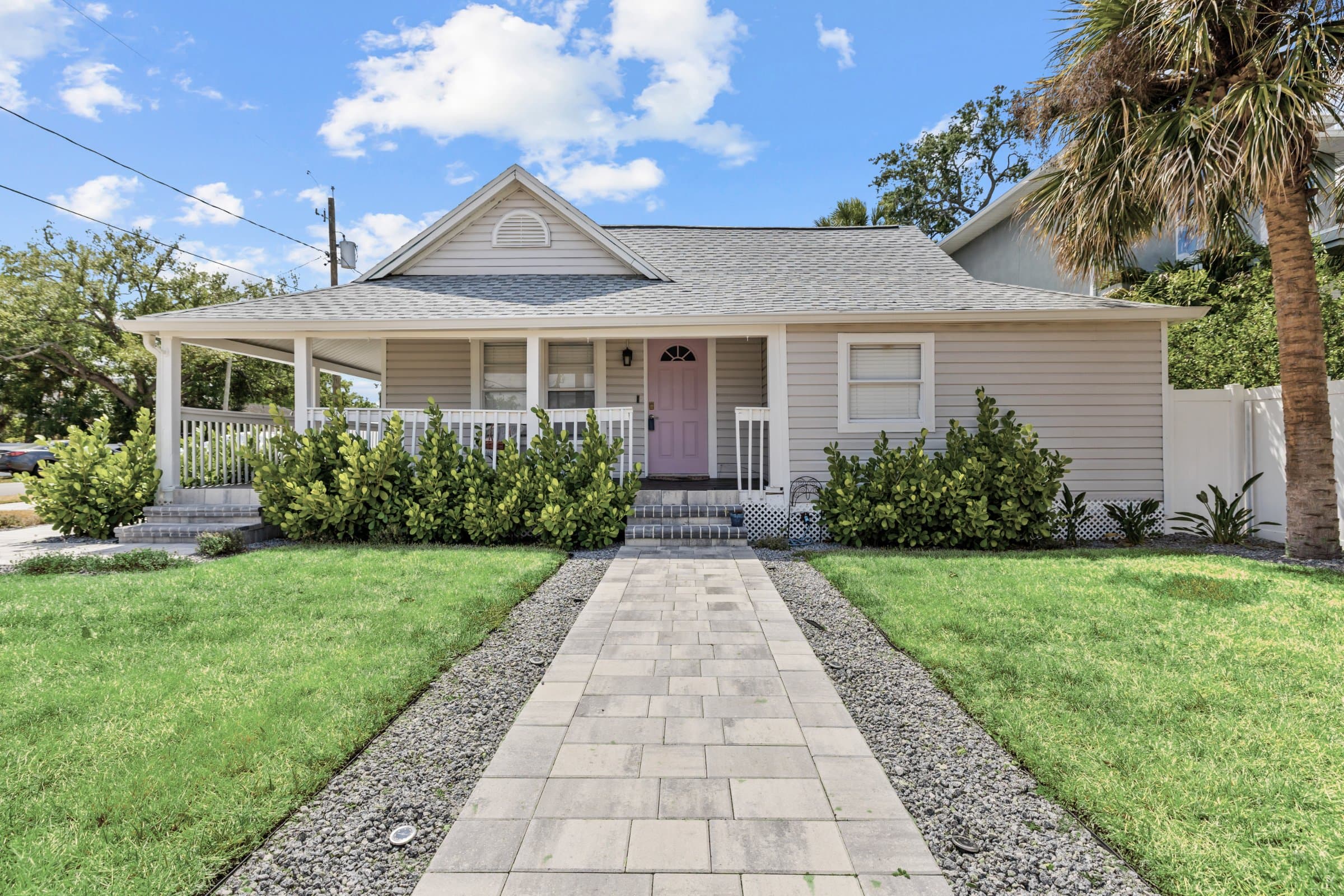
If your listing just expired, you're not alone, and you're not out of options. A house that didn't sell is still an asset. The question is what to do with it next.
The answer depends on three things: how soon you need the money, how long you can keep paying the bills on the house, and whether you still want to sell eventually. Below are the five paths Tampa Bay homeowners usually choose between, what each one really costs, and a quick way to decide.
First, figure out why it didn't sell
Before you pick a next step, take a few minutes to understand what went wrong. Most unsold homes come down to one of these:
- Price. This is the most common reason by far. Showings with no offers, or very few showings, usually mean buyers thought the price was too high.
- Condition. Dated finishings, deferred repairs, or an older roof can scare off buyers. In Florida, an older roof can also make a home hard to insure, which can hold up a sale even if you've already signed a contract.
- Presentation. Dark photos, a cluttered or completely empty house, or a thin listing description can all keep buyers from ever booking a showing.
- Timing. The Tampa Bay market often slows down in July, August, and September, when families are focused on back-to-school season instead of house hunting.
- The market itself. When there are more homes for sale, buyers can afford to be picky. A home that would have sold in a weekend a few years ago can sit much longer today. As of late summer 2026, homes in the Tampa Bay area were taking a median of about 46 days to go under contract, according to Redfin, and homes priced too high often take far longer.
Ask your listing agent for the number of showings and any buyer feedback. That alone usually tells you which problem you're dealing with.
Option 1: Relist, but change something
Relisting the same house at the same price with the same photos usually gets you the same result. If you go back on the market, change whatever didn't work: new photos, a fresh look at pricing, the repairs buyers kept mentioning, or a different agent.
Best for: owners who believe the house will sell with a real reset and who can comfortably cover a few more months of costs.
Watch out for: time. Every month on the market is another month of mortgage, taxes, insurance, and utilities. Buyers and their agents can also see how long a home has been listed, and a long history makes some of them wonder what's wrong with it.
Option 2: Lower the price
If price was the problem, this is the most direct fix. It helps to think about it this way: a price cut is a one-time cost, but waiting is a monthly one. A reduction that sells the house in 30 days can cost you less than holding out for six more months of carrying costs.
Best for: owners who need to sell and have enough equity to absorb a lower number.
Watch out for: cuts that are too small to matter. Buyers search in price ranges, like "under $400,000." A reduction that moves your home into a new range puts it in front of a whole new group of buyers. A reduction that doesn't often goes unnoticed.
Option 3: Rent it out
A lot of owners land here after a listing expires, and for good reason. Rent can cover the mortgage and carrying costs, or most of them, while you keep the option to sell later on your own timeline.
Here's what makes renting worth a serious look:
- It's not a forever decision. A lease is a commitment for a set term, usually a year. When it ends, you can renew with the same tenant, find a new one, or get the house ready to sell. We walk through how to plan that in Rent Now, Sell Later.
- The house is lived in. Someone is there to notice a leak or a problem with the AC before it turns into a big repair.
- Your capital gains break doesn't disappear right away. If you lived in the home for at least two of the last five years, you can generally still take the capital gains exclusion as long as you sell within about three years of moving out. Renting the home starts that clock, but it doesn't take the savings off the table. Ask your tax professional how it applies to you.
Best for: owners who don't need the cash right away, whose home would rent for enough to cover all or most of its costs, and who would rather not sell at a discount.
Watch out for: the extra steps that come with being a landlord. You'll need a landlord insurance policy instead of a homeowners policy (see our guide to landlord insurance in Florida). A Florida homestead exemption only covers your primary residence, so once you rent the home out you're supposed to let your county property appraiser know, and your property taxes will likely go up. Skipping that step can lead to back taxes and penalties later. Our guide to renting out a Florida homestead explains what to expect. The home also needs to be ready for a tenant (here are our rental standards if you want a checklist). And if you live out of the area, you'll need someone local to handle showings, repairs, and the phone call about a leaking water heater on a Sunday night. That's the part a property manager takes off your plate.
Option 4: Sell to a cash buyer or investor
This is the fastest and most certain path. There are no showings, no repairs, and closings often happen within a few weeks.
Best for: owners who need out quickly, homes that need major repairs, or situations like an estate that has to be settled.
Watch out for: the price. Investors buy below market value because they're taking on the repairs, the risk, and their own profit. Get more than one offer, and read the contract carefully. Some offers come down after an inspection period, so the number you hear first isn't always the number you get.
Option 5: Take it off the market and wait
Some owners pull the listing and leave the house empty until they figure out what to do. It feels like the safe choice, but it's usually the most expensive one.
You're still paying the mortgage, property taxes, insurance, HOA dues, utilities, lawn care, and maybe pool service, with nothing coming in to cover any of it. An empty house also has risks of its own. A slow leak can run for weeks before anyone notices, and many homeowners policies limit coverage once a home has been vacant for a while. We break down the full picture in What an Empty House Really Costs You Every Month.
If you do decide to wait, read your insurance policy for a vacancy clause and arrange for someone to check on the house regularly.
How to choose: three quick questions
- Do you need the money from a sale in the next few months? If so, a price reduction or a cash buyer is usually the right call.
- Can you comfortably cover the home's monthly costs for another year? If not, and you don't need the cash right away, renting often solves that, because rent can cover most or all of those costs.
- Do you still want to sell eventually, ideally for a better price? Renting now and selling later is built for exactly that situation.
Not sure which camp you're in? We compare the two side by side in Should I Rent Out My House or Sell It?
If renting is an option, start with real numbers
Before you decide anything, find out two things: what your home would rent for, and what it would need before a tenant moves in. With those numbers you can compare monthly rent against your monthly cost of owning, and the cost of any repairs or updates against the cost of a price cut.
Our free rental analysis answers both. We look at your home, pull comparable rentals nearby, and tell you what we would realistically price it at and anything it needs first. There's no obligation and no automated estimate.
We want the right answer for you, whether that's renting or selling. Tampa Bay Rentals is the property management side of Gold Palm Homes, a licensed Florida real estate brokerage. If the numbers point to selling, we'll tell you, and our sales team can take it from there. You can learn more at goldpalmhomes.com.
An expired listing isn't a failure. It's information. Use it to pick your next step on purpose.
FAQs
What happens when a house listing expires?
When a listing expires, your agreement with the listing agent ends and the home comes off the market. You're free to relist with the same agent, hire a different one, lower the price, rent the home out, or sell it another way.
Should I relist my house or rent it out?
If you need the money from the sale soon, relisting with a better price or better presentation is usually the right path. If you can wait and the home would rent for enough to cover all or most of its costs, renting lets you hold on to it and sell later, in a stronger season or a stronger market.
Can I rent my house now and sell it later?
Yes. Renting now doesn't rule out selling later. When you're ready to sell, we recommend waiting until the lease ends and the tenant has moved out before you list. Homes with tenants still living in them usually take longer to sell, showings are harder to schedule, and the process tends to wear on both the tenant and the seller. In Florida a lease also stays in effect after a sale, so a buyer would take over your tenant along with the house, which narrows your pool of buyers.
Is it bad to leave a house empty after it doesn't sell?
A short vacancy is manageable if someone checks on the house regularly. The longer a home sits empty, the more you pay with nothing coming in, and the more likely a small problem turns into an expensive one. A slow pipe leak can become water damage and mold, and an air conditioner that quits in a Florida summer can let humidity damage the inside of the home before anyone notices. Many homeowners insurance policies also limit coverage on homes left vacant for an extended period, so read your policy for a vacancy clause before you decide to wait.
Do I lose my Florida homestead exemption if I rent out my house?
Usually, yes. The homestead exemption only applies to your primary residence, so once you move out and rent the home, you're supposed to notify your county property appraiser, and your property taxes will likely go up. Owners who don't report the change can owe back taxes, penalties, and interest if the county catches it later. There are limited exceptions, so check with your county property appraiser before you sign a lease.
How do I find out what my house would rent for?
Rent depends on location, size, condition, and what similar homes nearby are renting for right now, so every property is different. Reach out to Tampa Bay Rentals to start the conversation. We'll put together a full analysis and pricing strategy based on your specific property and the local rental comparables, plus anything the home needs before it's ready for a tenant.