Managing a Rental From Out of State
Gold Palm Homes Team · Oct 7, 2026
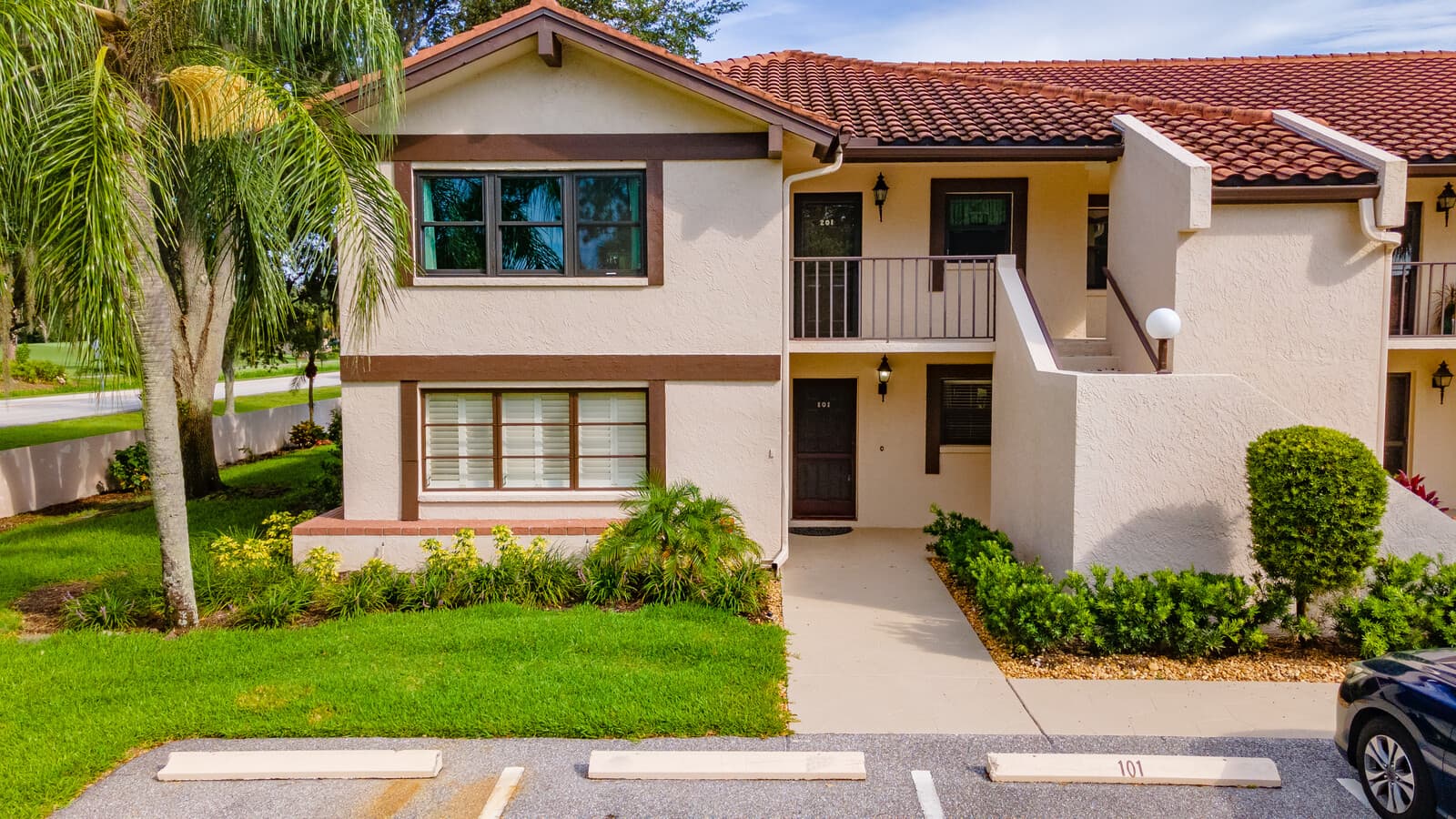
People end up owning a Tampa Bay rental from somewhere else for ordinary reasons. A job moved. A parent needed help. The house didn't sell and renting it out beat carrying it empty.
Most of the job travels fine. Rent arrives by transfer, leases are signed electronically, and a good tenant is a good tenant from any distance. Four things don't travel, and three of those are legal rather than practical.
The deposit has to sit in a Florida bank
Section 83.49 of the Florida Statutes gives a landlord who holds a security deposit or advance rent three choices. Hold it in a separate non-interest-bearing account in a Florida financial institution. Hold it in a separate interest-bearing account in a Florida financial institution, paying the tenant either 75 percent of the annualized average interest rate or 5 percent simple interest a year. Or post a surety bond with the clerk of the circuit court.
Separate and Florida are both doing work in that sentence. The deposit can't sit in your operating account, and it can't sit in your credit union in Ohio. An owner who closes their Tampa account on the way out of town has usually broken both halves without noticing.
You also owe the tenant written notice of where the money is, either in the lease or within 30 days of receiving it, naming the depository and saying whether interest is being paid.
The 30-day clock doesn't wait for you to hear about it
When a tenancy ends and you intend to keep any part of the deposit, section 83.49(3)(a) gives you 30 days from the termination of the rental agreement to send the tenant written notice of your claim, by certified mail to their last known address or by email. Miss it and you forfeit the right to claim against the deposit, though you can still sue for what you're owed.
Thirty days is comfortable when you're twenty minutes away. It's tight when the tenant left on a Friday, the neighbor mentioned it the following week, and you're arranging a flight. By the time somebody walks the house, photographs it, and gets a repair estimate, half the window can be gone.
Decide in advance who walks the house the day a lease ends, and agree that the photographs happen that day rather than when it's convenient.
Paying a friend to handle it is a licensing question
Owners at a distance usually have somebody local in mind, a brother-in-law or a neighbor or a friend who's handy. The arrangement is almost always well meant, and it's where owners most often run into trouble.
Section 475.01 of the Florida Statutes defines a broker to include a person who, for compensation, rents or offers or attempts or agrees to negotiate the rental of real property of another. Section 475.011 lists the exemptions. An owner leasing their own property is exempt, which is why you may rent out your own house yourself from anywhere. A salaried employee working in the onsite rental office of an apartment community is exempt. Neither of those describes a friend you pay to find a tenant and collect rent on a single-family house.
Compensation is what the statute turns on, and compensation isn't only an hourly rate. Free rent, a cut of the rent, or a flat fee at lease signing all count as something of value.
None of this stops a neighbor from holding a key, meeting the air conditioning technician, or calling you when a storm takes a fence down. The chapter covers the renting and the managing for pay. If your arrangement sits near the line, the Department of Business and Professional Regulation and a Florida attorney are the two places to settle it, and both are cheaper than finding out through a complaint.
Two tax changes, in two states
Renting the house out ends its homestead exemption, and the exemption is usually the smaller half of what that costs. A homestead's assessed value is capped at 3 percent a year under Save Our Homes. A non-homestead residential property of nine or fewer units is capped at 10 percent instead. On a house you have owned a long time, that gap is worth more than the exemption. Our guide to what happens to your homestead exemption when you rent the house out covers what you owe the property appraiser and when.
The second change is in your new state. Florida has no personal income tax, which isn't the same as the rent being untaxed. Where you live now generally decides that, and the answer varies enough by state that twenty minutes with a CPA is time well spent before your first full year rather than after it.
You can't see the house, so somebody has to
A landlord down the road notices things without meaning to, like a stain spreading on a ceiling or a gutter hanging loose. At a distance, nothing reaches you that nobody reports.
Tenants report what inconveniences them. They don't report a slow drip under a sink that still works, and a drip like that will take out a floor.
Three arrangements fix most of it. Somebody local walks the exterior on a schedule you set rather than when something happens. The air conditioning and the water heater go on service contracts, so a professional sees them once a year even when nobody complains. And whoever holds a key has a standing dollar limit they may spend without calling you, because a $180 repair that waits on your approval can sit through a whole weekend.
Hurricane season runs June 1 through November 30. The parts of getting ready that need hands, shutters, loose furniture, a clear yard, are the parts a distant owner can't do personally, and that's easier to arrange in May than in the week a storm is named.
Keep your address current in three places
Code notices, tax bills, and association letters go to the address of record, and a notice you never received still counts as sent. Code fines in particular accrue daily while a violation is open and attach to the property rather than to whoever caused it.
Update the county property appraiser and tax collector, the HOA or condo association, and your insurer. Then read your policy for a vacancy clause, because coverage on many homeowners policies narrows once a house has been empty for a set number of days, and a gap between tenants is exactly when that applies. We break down what an empty house costs you each month separately.
What to settle before you go
If you're still working out whether to rent at all, our guide to renting the house out or selling it runs the decision both ways, and the accidental landlord's guide is the first-month list for everything that isn't about distance. What's specific to leaving is shorter:
- Open a separate Florida account for the deposit, or arrange the bond.
- Decide who walks the house the day a lease ends, and who photographs it.
- Settle who manages it, and whether that arrangement needs a license.
- Put the air conditioning and water heater on service contracts.
- Give whoever holds the key a spending limit in writing.
- Update your address with the county, the association, and your insurer.
- Call the property appraiser about the exemption, and a CPA about your new state.
FAQs
Can I manage my own Tampa Bay rental from another state?
Yes. An owner leasing their own property is exempt from Florida's real estate licensing requirements, and nothing in the law says you have to live nearby. You still have to meet Florida's deposit rules and the 30-day claim window, and nobody sees the house unless you arrange for somebody to.
Where does Florida require me to keep the security deposit?
In a separate account in a Florida financial institution, interest-bearing or not, or you post a surety bond with the clerk of the circuit court instead. It can't be mixed with your own money, and it can't move to a bank in your new state.
Can I pay my brother to manage the house?
Possibly not, and it turns on whether you're paying him. Florida defines a broker to include someone who rents or manages the property of another for compensation, and the exemptions cover an owner leasing their own property and salaried onsite apartment staff, not a paid relative handling a single-family house. Holding a key and meeting a technician is different from renting it out for pay, so settle which one you are setting up beforehand.
How often should somebody check on the house?
Often enough that a slow problem gets found, which usually means a scheduled exterior walk rather than a visit when something goes wrong. The leaks that cost the most are the ones nobody reports, because the tenant isn't inconvenienced by them yet.
Is it worth hiring a manager if I live out of state?
Sometimes, and the honest way to decide is to price the pieces. Add up what the inspections, the service contracts, the after-hours calls, and the flights cost you, then compare. Every house is different. Reach out to us and we'll put the numbers in front of you either way.